Plan a camera view around its purpose
Define the area needed for the household task and review privacy limits before treating a wide-angle specification as a benefit.
Updated:
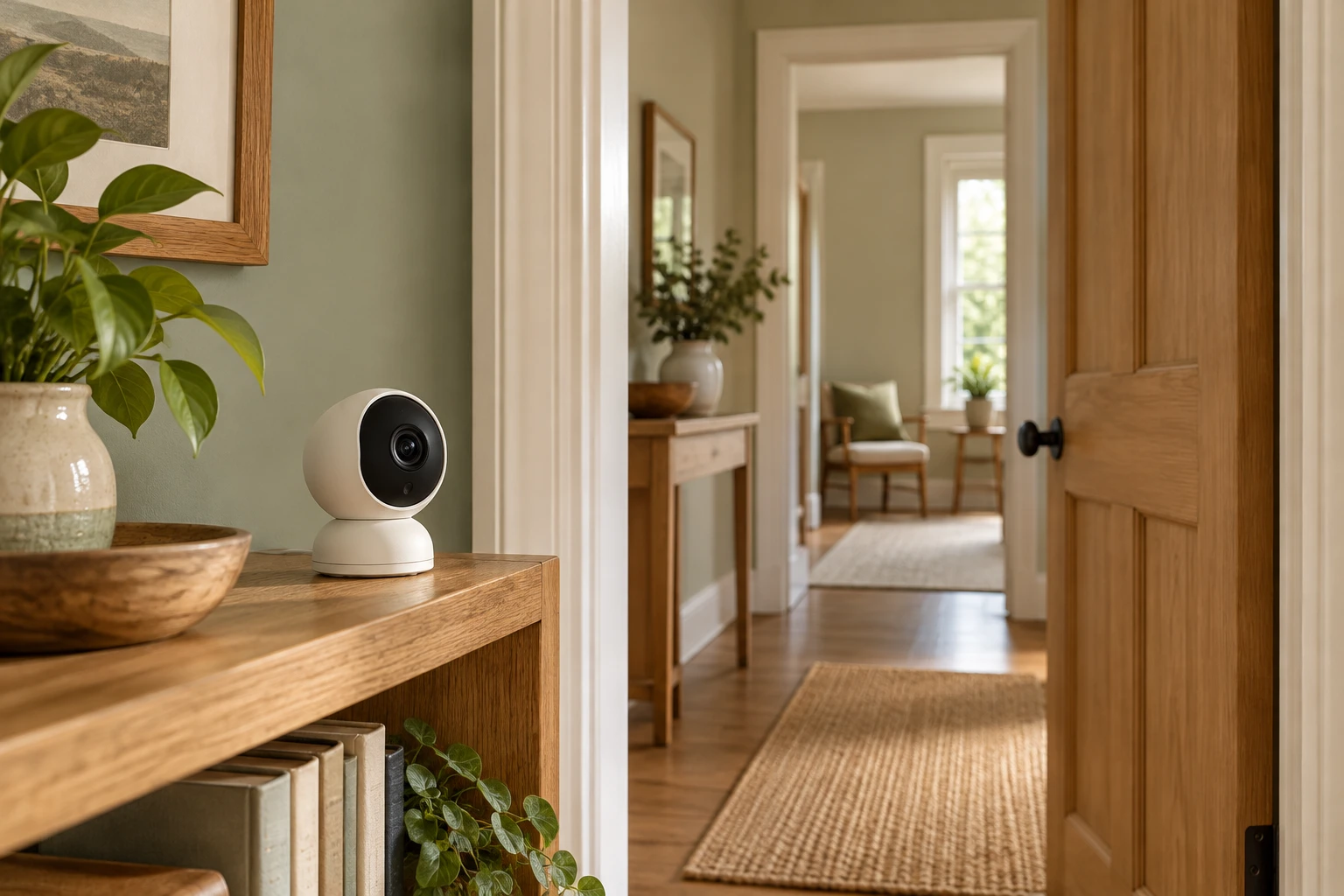
Define what needs to be visible
Start with the household question, then identify the area genuinely needed to answer it. A camera selected for reviewing an entrance should not automatically be judged better because its advertised view is wider. Write down what belongs in the intended view and what should remain outside it. Keep this as a purchase-planning record rather than an installation diagram or a claim of complete security coverage.
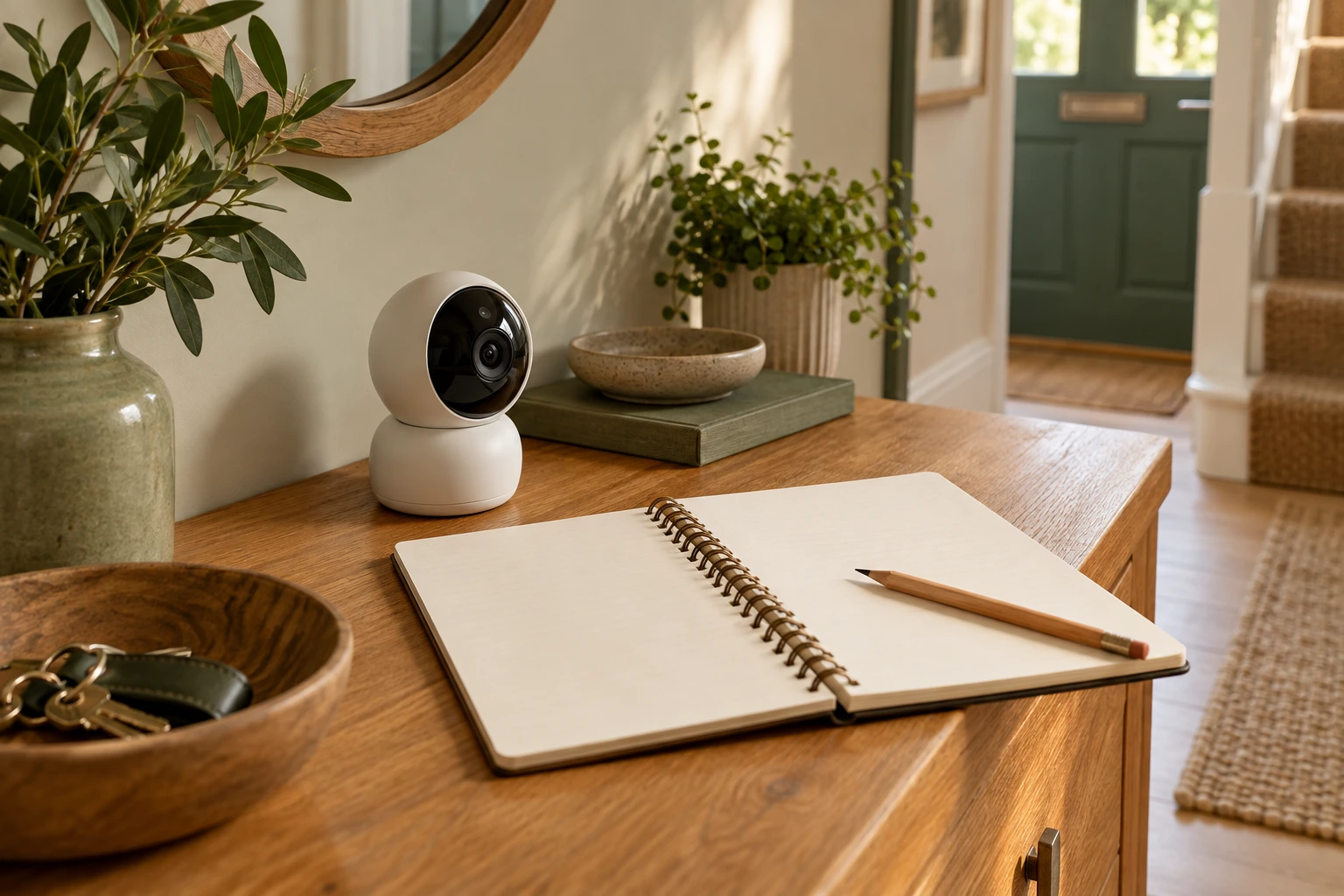
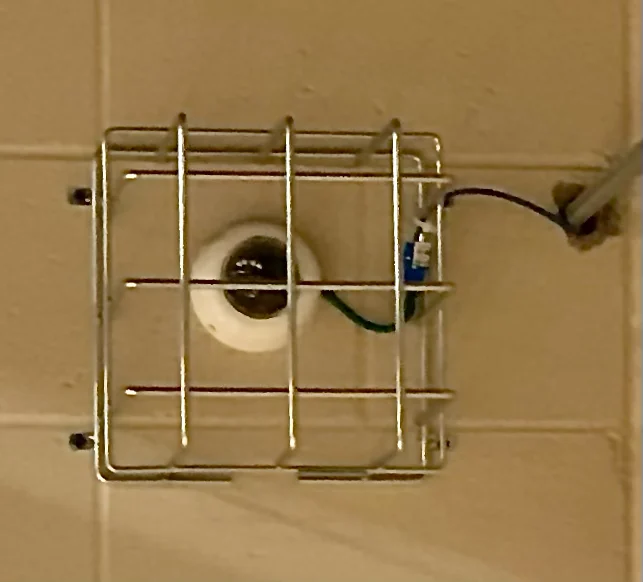
The archival ceiling camera makes a physical camera form visible, but it is not the named current model and does not show its field of view. The photograph cannot establish how a device would perform in a domestic entrance. The relevant manufacturer information and the actual proposed position need to be reviewed together before a fit conclusion is made.
Allocate time to the decision rather than promising a result
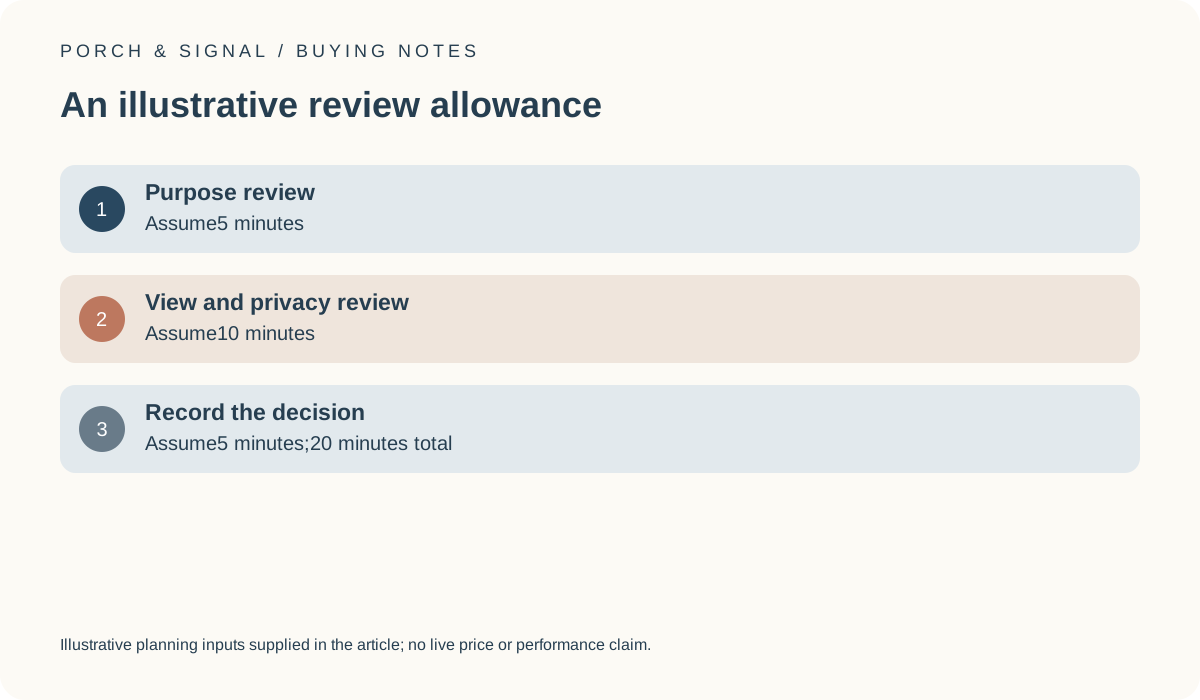
For an illustrative planning appointment, allow 5 minutes to state the purpose, 10 minutes to review the proposed view and privacy questions, and 5 minutes to record the decision. That totals 20 minutes. These are invented time allowances, not a measured installation time or proof that every property can be assessed within that period. A complex or unresolved case may need more work.
The important output is the written boundary between necessary and unnecessary capture. Do not use the short example to rush a legal, property or installation question. If the purpose cannot be served without unresolved intrusion, keep that issue open rather than treating the largest advertised viewing angle as the answer.
Separate a lens specification from the installed image
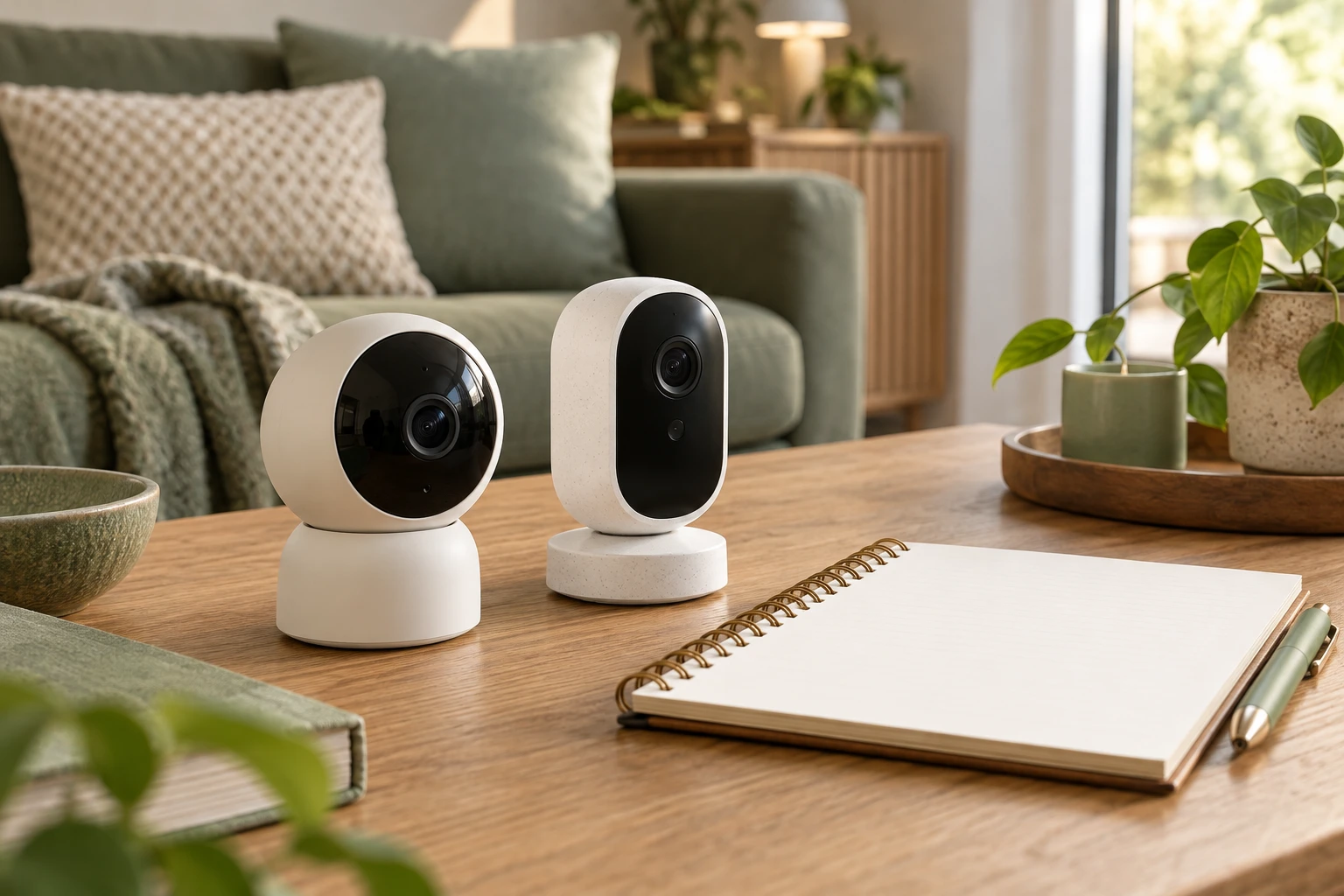
A stated angle, resolution or lens description belongs to the exact model and its documented conditions. It does not establish which objects will be visible at your property, how useful a recorded image will be or whether a position is appropriate. Avoid combining the widest angle from one mode with another mode’s resolution as though they necessarily occur together. Preserve any conditions in the actual manufacturer source.
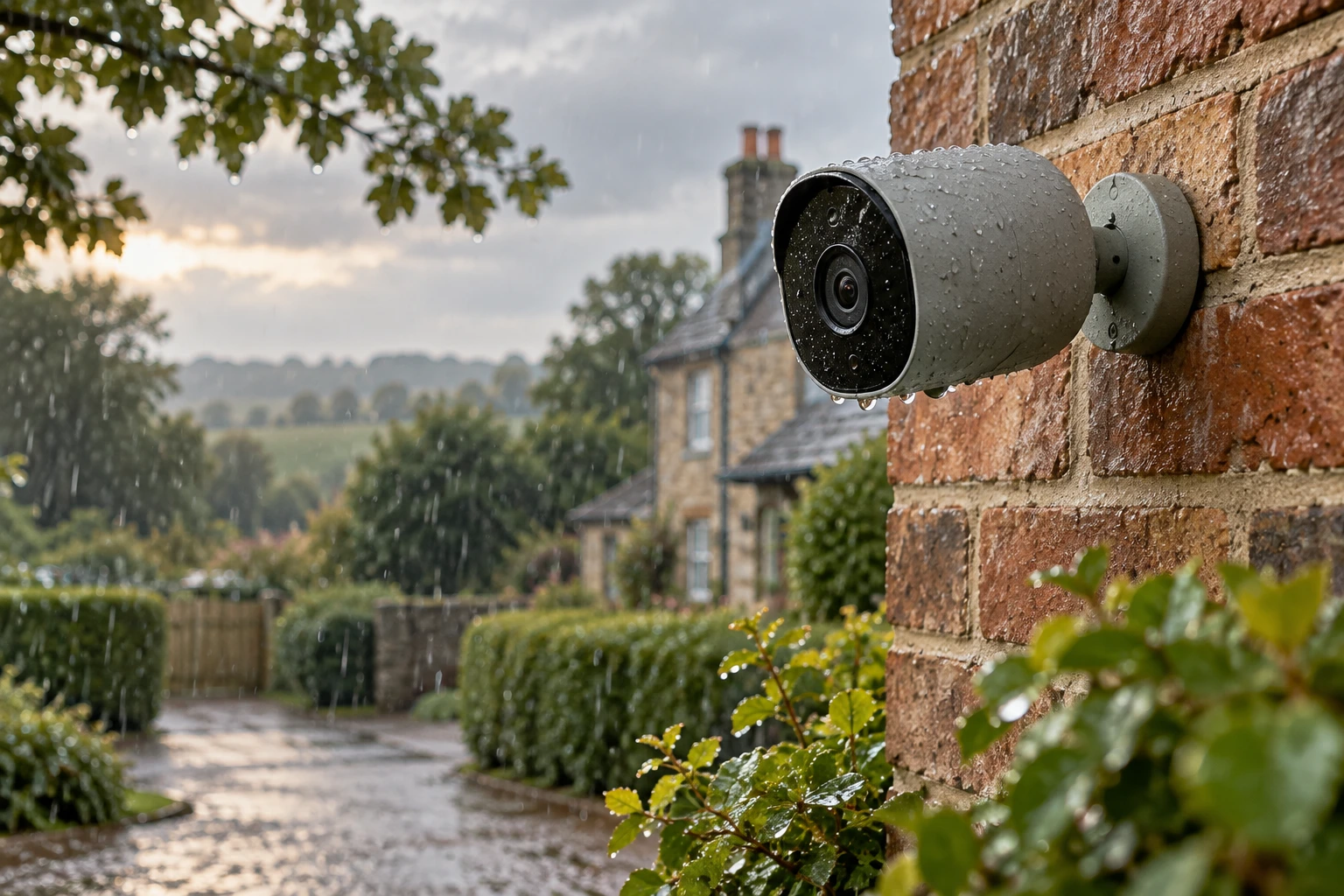
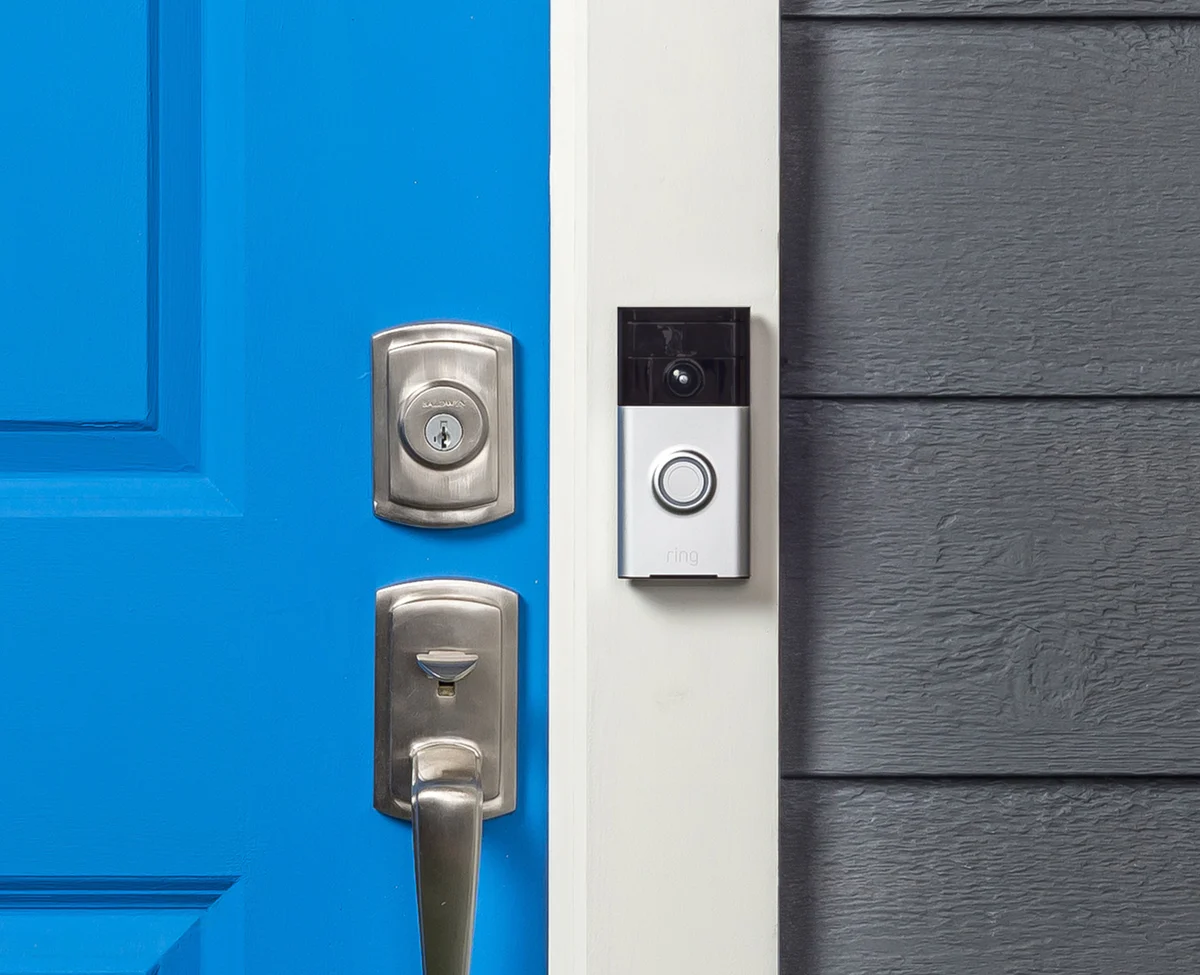
TP-Link’s UK product information is an example of a place to identify a named camera’s stated features. Our guide does not convert those statements into a performance test. The doorbell photograph illustrates a different physical view and should not be read as a mounting or privacy example for a camera elsewhere on a property.
TP-Link UK: Tapo C120 product information ?
Keep the privacy review ahead of convenience
The ICO’s UK home-CCTV guidance explains why the area captured matters to the owner’s responsibilities. Read the current official guidance for the actual proposed use, including any view beyond the property boundary, rather than assuming a domestic device is exempt from every obligation. This article does not determine whether an individual installation is lawful or provide permission to record another person.
A masking feature is something to establish from the exact product information and review in actual use. Its name alone does not prove that unwanted capture is excluded everywhere it matters. Keep live viewing, recorded footage and any audio choices visible in the assessment. A wider view can create additional questions rather than automatically adding useful capability.
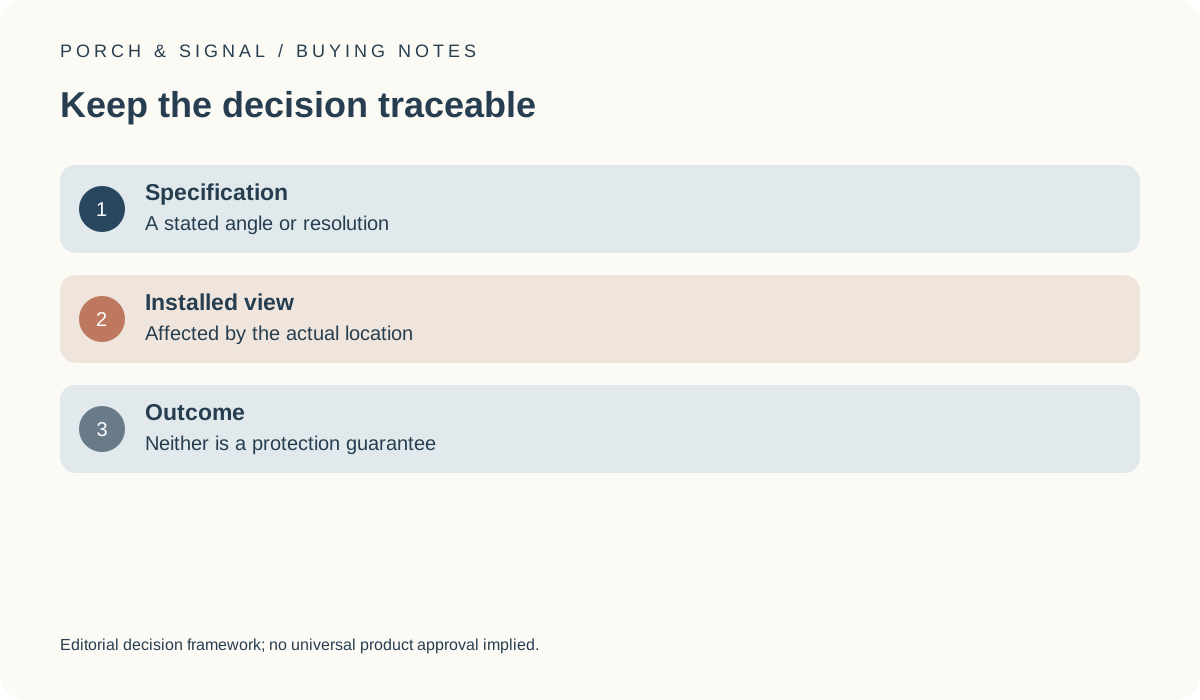
Record a limited and reviewable conclusion
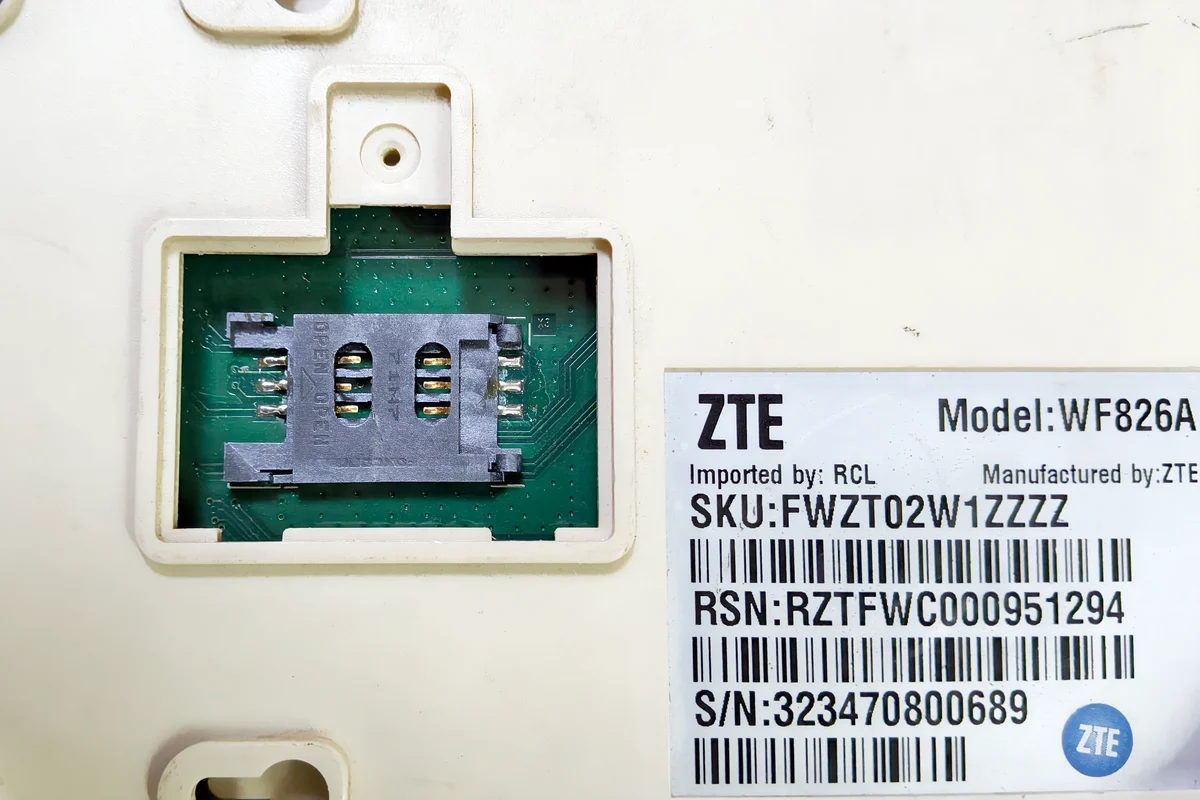
A useful final note states the task, the proposed scope of the view, the exact model source and the unresolved questions. If the layout changes, return to that record rather than assuming the earlier assessment still fits. Keep connection requirements separate: a working network does not establish that the selected view is proportionate or useful. The router photo is included to make that distinction concrete.
Do not label the drawing a tested coverage map or describe a camera as removing every blind spot. Those claims would require evidence the worksheet does not provide. The buying decision should be able to explain why a candidate’s documented features serve a deliberately limited purpose, with privacy and installation questions preserved instead of hidden behind a feature count.