Write a home-security buying brief
Name the question you need a device to answer, then keep physical fit, recording choices and the owner’s work in view.
Updated:
Write the decision in one ordinary sentence
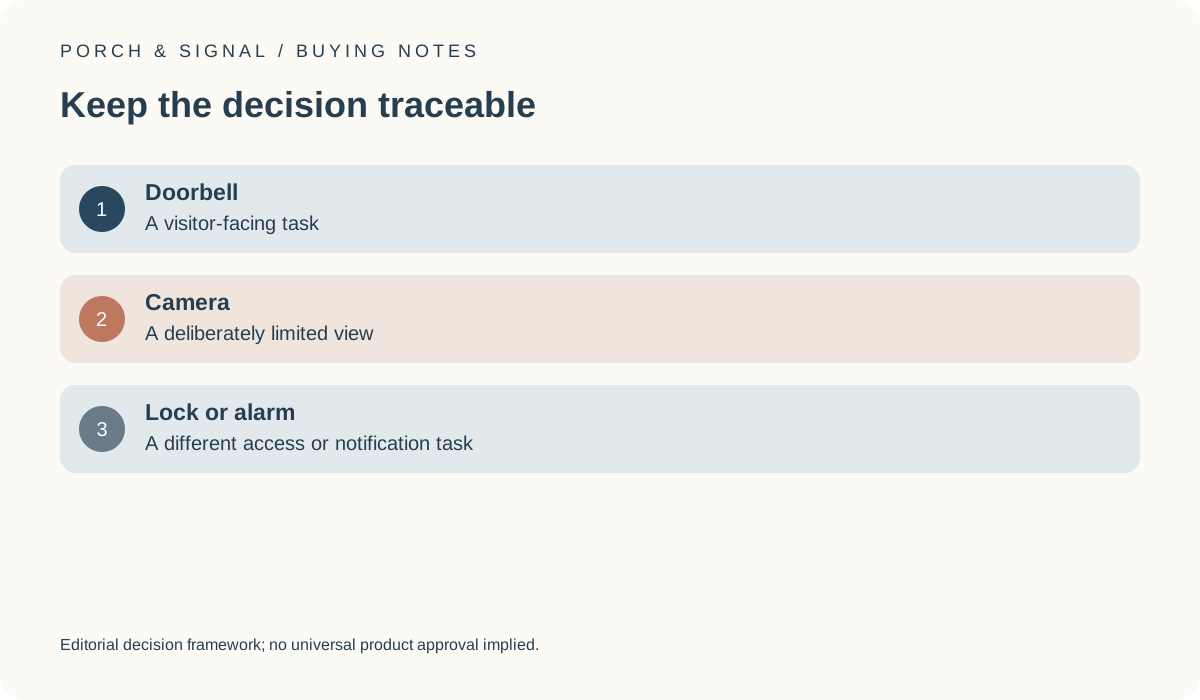
Before comparing cameras, doorbells, smart locks and alarms, describe the household question you want the purchase to answer. You might want to know that a visitor pressed the doorbell, review a deliberately limited entrance view or manage authorised access for household members. These are different tasks. A device that answers one does not automatically perform the others or provide a complete security service.
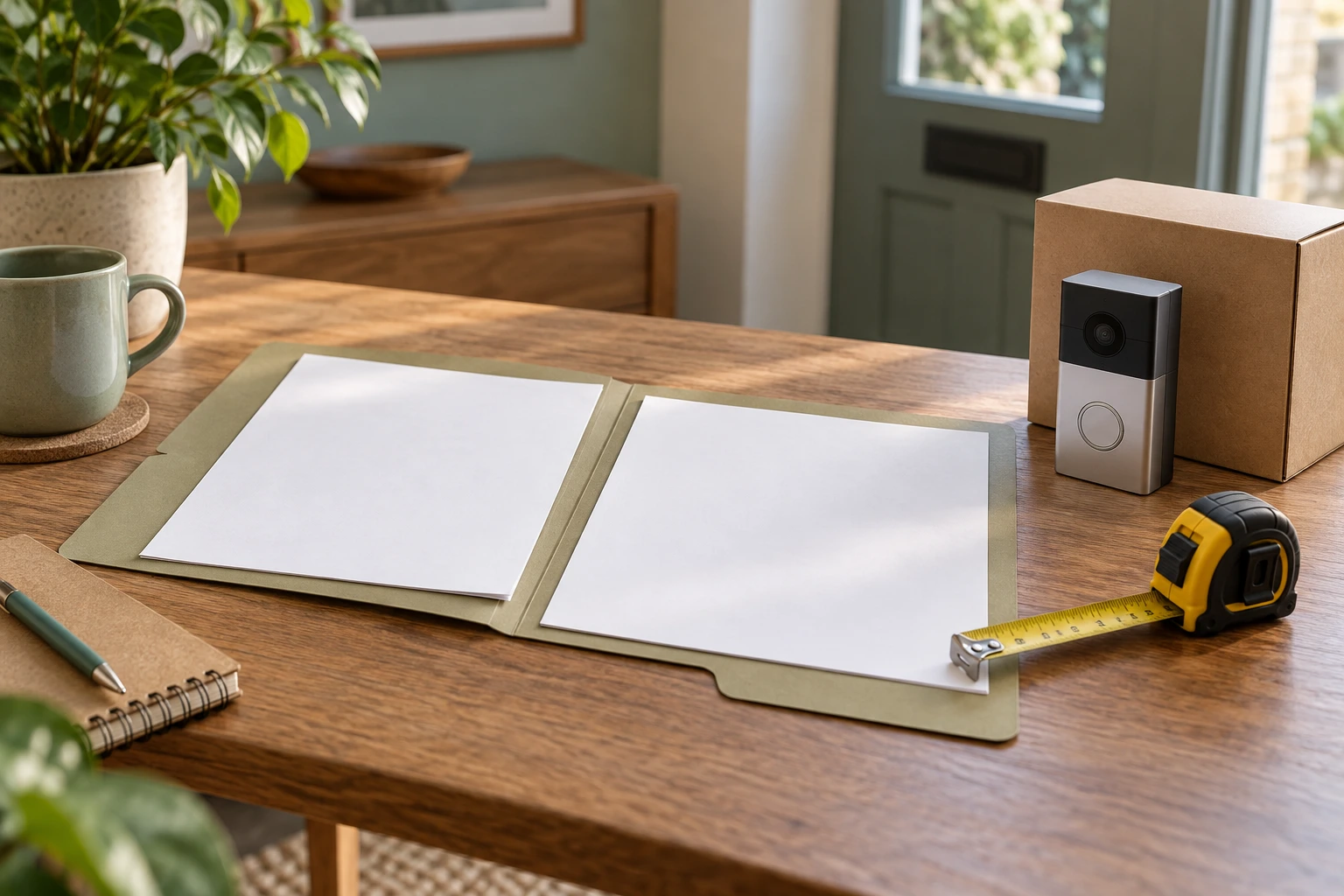
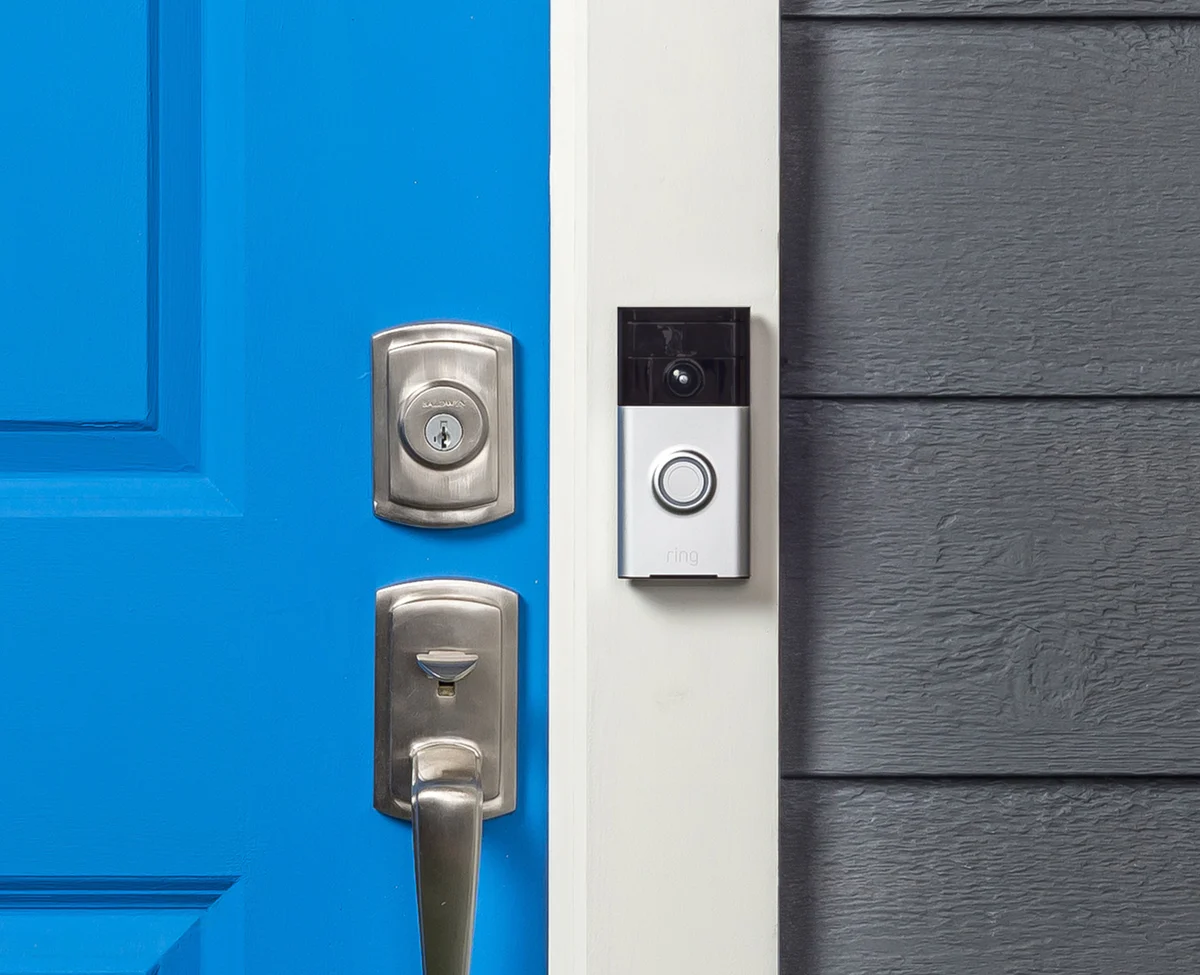
Keep the intended outcome specific enough to review. A statement such as make the home secure is too broad to establish whether a feature is useful or whether a purchase has met its purpose. The archival doorbell photograph identifies a visitor-facing physical form. It is not a test, a current bundle recommendation or proof that a particular installation meets privacy requirements.
Give every proposed system the same cost scope
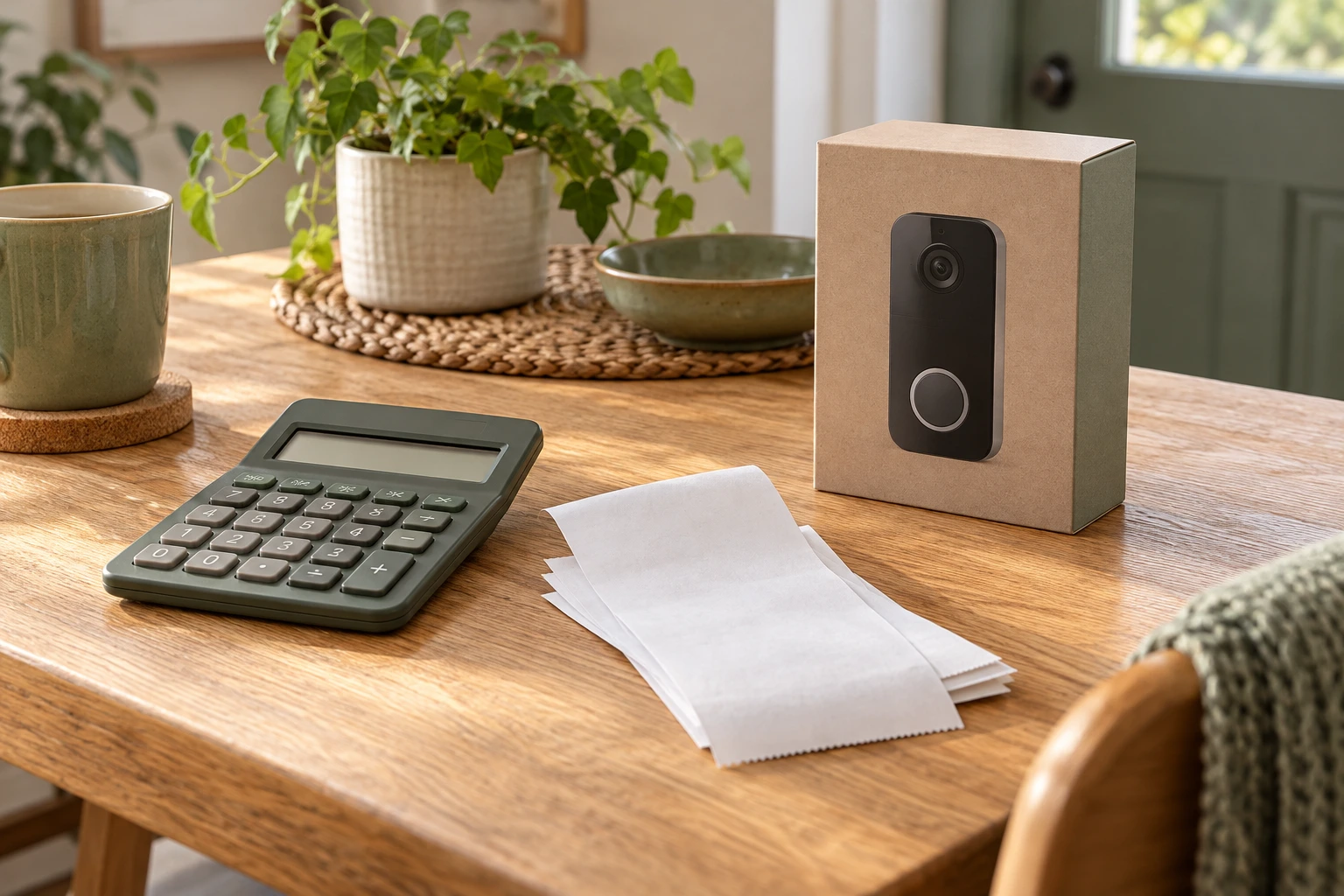
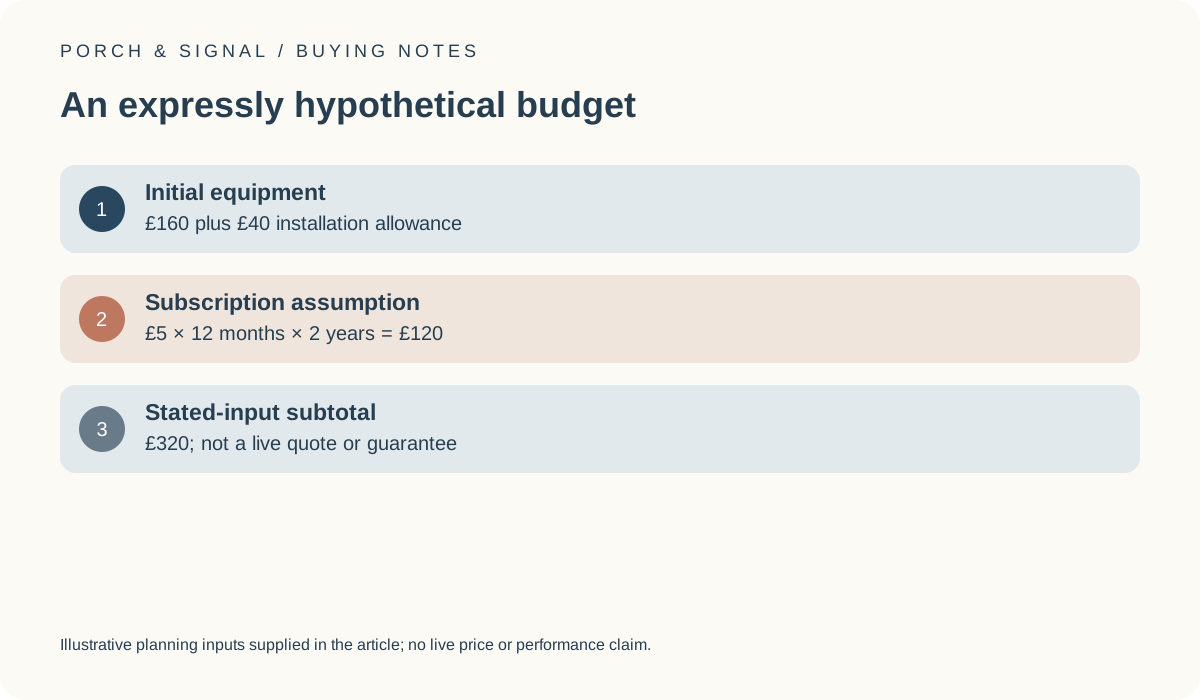
For an expressly hypothetical example, assume £160 for equipment, £40 for installation and a £5 monthly subscription over 2 years. The subscription allowance is £120, producing a stated-input subtotal of £320. These are invented inputs, not observed prices or a prediction of the full ownership cost. Repairs, later price changes and other unentered expenses remain outside this calculation.
Our ownership-allowance tool performs that same arithmetic on your own entries. Keep the service period and included features beside each quote, so a body-only price is not compared with a fully supplied installation. A low subtotal cannot resolve a physical or privacy mismatch. Establish the required task first, then compare offers that actually address it.
Separate physical requirements from feature names
Record the exact regional model, the place it would occupy and the documentation needed to establish fit. A camera needs a deliberately considered view, while a doorbell or lock brings its own doorway requirements. Power arrangements, ordinary access and any additional equipment belong in the brief before installation is planned. Do not infer compatibility from an image of a similar product.
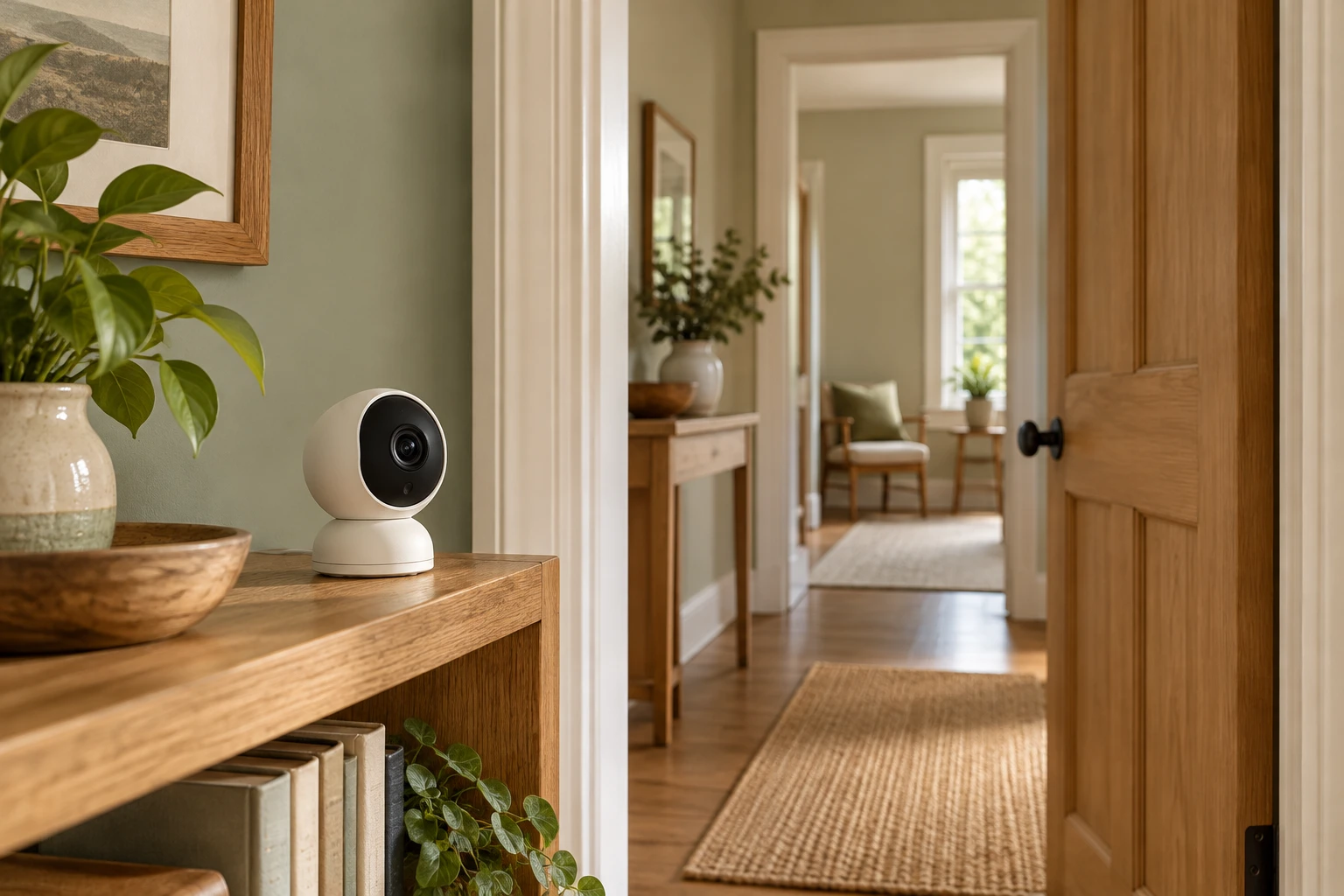
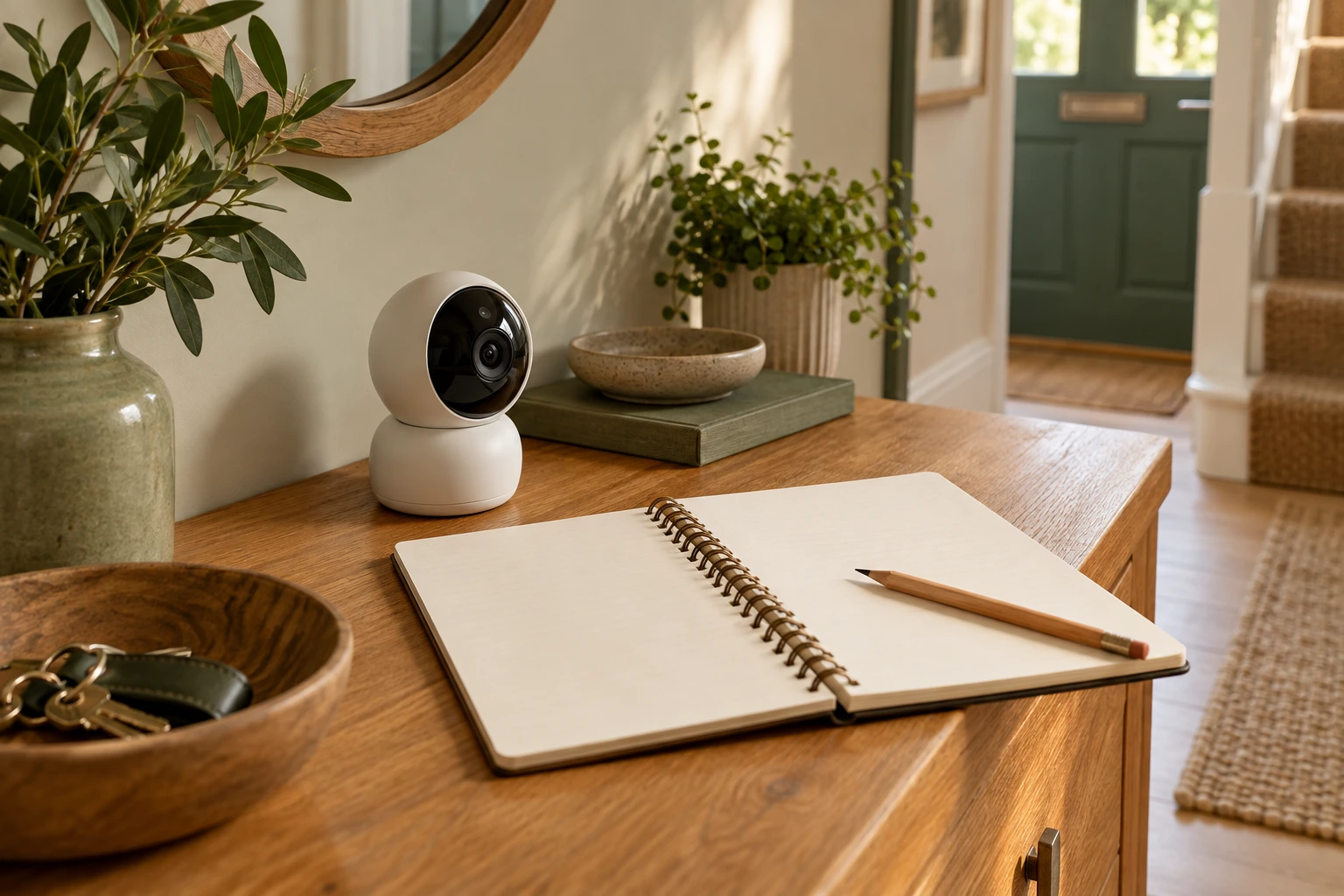
TP-Link’s UK Tapo C120 page is an example of a manufacturer document that separates camera features and storage options. Use such documents to identify what is actually specified for a candidate, not to assume every camera in the category shares the same requirements. The camera photograph is archival context and does not represent that named model.
TP-Link UK: Tapo C120 product information ?
Include the person who will manage the device
List who will hold the owner account, who genuinely needs access and who will handle ordinary updates or checks. Review the exact service information for account permissions instead of sharing one login by default. A feature that depends on an app or subscription should remain attached to that dependency in the buying record. If the required household arrangement is unclear, keep it unresolved.
The UK NCSC smart-device guidance explains that connected devices require ongoing attention, including settings and software updates. That makes ownership work part of the comparison. It does not mean that following a brief checklist guarantees protection, prevents every compromise or replaces the exact manufacturer’s instructions for the device you choose.
UK NCSC: Smart devices in the home ?
Finish with a shortlist that admits its limits
For each candidate, write the task it is intended to serve, the requirements already established and the questions still open. Include recurring charges, software-support information and the recording or access choices that the owner must manage. A camera, a lock and an alarm should not receive interchangeable feature scores when they address different needs. Keep the reason for each purchase visible.
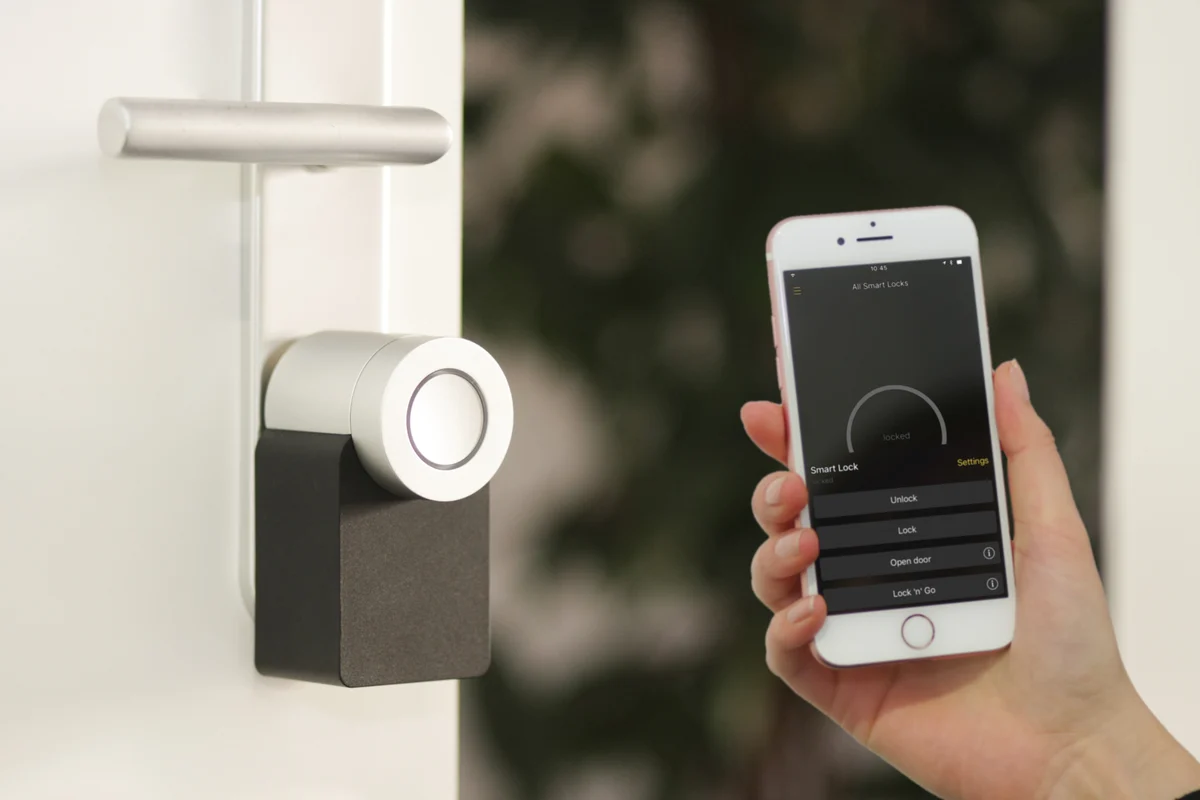
A useful brief can conclude that fewer devices are needed, that a different category fits the question better or that more evidence is needed before ordering. It should not claim a guaranteed reduction in crime, insurance acceptance or a tested security outcome. The smart-lock photograph reinforces that authorised entry is its own task, separate from a camera’s view or a doorbell’s visitor interaction.